British nightclubs are where atmosphere becomes an experience and lighting does more than just brighten a room. Nearly 80 percent of successful event planners say lighting is the single most influential factor in shaping guest mood and energy. In competitive nightlife scenes across the United Kingdom, getting lighting right sets your event apart. Discover strategies to turn every performance or club night into a memorable spectacle with expert fixture choices, creative effects, and tailored safety practices.
Table of Contents
- 1. Choose The Right Type Of Lighting Fixtures
- 2. Position Mirror Balls For Maximum Sparkle
- 3. Layer Lighting For Depth And Atmosphere
- 4. Optimise Colour Mixing For Dynamic Effects
- 5. Synchronise Lights With Music For Impact
- 6. Utilise Lighting Control Systems Effectively
- 7. Ensure Safety And Compliance In Lighting Setups
Quick Summary
| Key Message | Explanation |
|---|---|
| 1. Choose versatile lighting fixtures. | Select fixtures like spotlights and wash lights to adapt to various event moods and energy levels effectively. |
| 2. Strategically position mirror balls. | Place mirror balls at least 2.5 to 3 metres high to maximise light dispersion and enhance visual effects across the venue. |
| 3. Layer lighting for depth. | Combine ambient, task, and accent lighting to create an engaging atmosphere that guides guests’ emotions throughout the event. |
| 4. Mix colours for emotional impact. | Use RGB and RGBW systems to craft seamless colour transitions that resonate with different musical moments and enhance the ambiance. |
| 5. Synchronise lighting with music. | Implement advanced lighting control that reacts to musical beats, enhancing the immersive experience for the audience during the event. |
1. Choose the Right Type of Lighting Fixtures
Choosing the right lighting fixtures is fundamental to creating an unforgettable club atmosphere. The fixtures you select will dramatically transform the venue’s mood, energy, and visual experience for your guests.
Modern event lighting encompasses various types designed to serve specific purposes. Lighting solutions range from ambient to task-specific fixtures that can dramatically enhance the overall event experience. Key fixture types include stage spotlights, wash lights, moving head lights, and LED par cans.
When selecting lighting fixtures, consider three critical factors: venue size, event type, and desired emotional impact. Smaller venues might require more focused, intimate lighting, while larger spaces demand broader, more dynamic illumination. Nightclubs typically benefit from versatile fixtures that can shift between high-energy dance moments and more relaxed transitions.
Spotlights are excellent for highlighting performers or specific areas, creating dramatic focal points. Wash lights provide broader colour coverage and can instantly change the room’s atmosphere. Moving lights offer unprecedented flexibility, allowing you to programme complex lighting sequences that keep energy levels high.
For maximum impact, mix different fixture types. This approach allows you to create layered lighting designs that can adapt to various moments throughout the event. Consider combining static par lights with intelligent moving fixtures to provide both consistent background illumination and dynamic visual effects.
Pro tip: Always test your lighting setup during soundcheck to ensure perfect synchronisation and avoid any technical surprises during the actual event.
2. Position Mirror Balls for Maximum Sparkle
Mirror balls are the quintessential element that transforms an ordinary club environment into a mesmerising visual spectacle. When positioned strategically, these reflective spheres can create an electrifying atmosphere that captivates your audience.
Lighting techniques for mirror balls require careful consideration of placement and illumination. The key is to create multiple reflection points that scatter light across the venue in dynamic, unpredictable patterns.
Height plays a crucial role in maximising mirror ball effectiveness. Mounting the ball higher allows light to disperse more broadly, creating a wider range of sparkling reflections. Ideally, position your mirror ball at least 2.5 to 3 metres above the dance floor to ensure maximum visual coverage.
Multiple light sources are essential for creating a truly immersive effect. By positioning spotlights or LED par lights from different angles, you create complex light patterns that dance across walls and floors. This technique transforms the mirror ball from a simple decoration into a dynamic lighting element that responds to the music and crowd energy.
Consider the venue’s architectural features when placing mirror balls. Walls with interesting textures or colours can amplify the light reflection, creating stunning visual landscapes. Some clubs benefit from multiple smaller mirror balls instead of a single large one, allowing for more intricate light distribution.
Pro tip: Experiment with coloured lights behind your mirror ball to create unique atmospheric effects that can dramatically shift the venue’s mood throughout the evening.
3. Layer Lighting for Depth and Atmosphere
Creating a captivating club atmosphere goes far beyond simply illuminating a space. Lighting layering is an art form that transforms venues from ordinary to extraordinary.
Lighting design techniques now emphasise creating immersive experiences through strategic illumination. Think of lighting like musical composition where different elements blend to create a compelling narrative.
Effective lighting layers typically include three primary components: ambient lighting, task lighting, and accent lighting. Ambient lighting provides overall room illumination, creating a foundational atmosphere. Task lighting focuses on specific areas like bars or stages, while accent lighting highlights architectural features or creates dramatic visual moments.
For nightclubs, this might mean using soft overhead wash lights to establish general brightness, targeted spotlights to highlight performers, and coloured LED strips to create mood zones. By carefully balancing these elements, you can guide guests emotional journeys throughout the evening.
Colour plays a crucial role in layering. Warm amber tones can create intimacy during slower moments, while vibrant blues and greens can energise the dance floor. Intelligent lighting systems allow rapid transitions between these moods, keeping the atmosphere dynamic and responsive.
Consider the venue’s physical layout when planning your lighting design. Architectural elements like columns, bars, and stage areas offer perfect opportunities for strategic light placement. Experiment with different heights and angles to create depth and visual intrigue.
Pro tip: Invest in programmable LED fixtures that allow instant colour and intensity changes, giving you maximum creative flexibility throughout the event.
4. Optimise Colour Mixing for Dynamic Effects
Colour is the silent language of atmosphere in club lighting design. When used strategically, colour mixing transforms a standard venue into an immersive sensory experience that speaks directly to your audience’s emotions.
Colour mixing techniques have revolutionised event lighting by enabling precise emotional manipulation through illumination. Modern LED technology allows event planners to create seamless colour transitions that synchronise perfectly with music and crowd energy.
RGB and RGBW lighting systems provide the most versatile colour palettes. These systems blend red, green, blue and sometimes white light to produce millions of potential colour combinations. By understanding how these colours interact, you can craft lighting experiences that evolve throughout the evening.
Consider the psychological impact of different colour ranges. Warm amber and orange tones create intimacy and comfort during slower moments. Vibrant blues and greens inject energy and excitement during peak dance times. Cooler purples can signal transition periods or create a more contemplative atmosphere.
Programmable lighting controllers are essential for smooth colour transitions. Instead of abrupt changes, programme gradual shifts that feel organic and responsive to the music. This approach maintains visual interest and keeps the audience engaged with the lighting design.
Experiment with colour layering across different fixture types. Combine wash lights for broad colour coverage with pinpoint spotlights for dramatic colour accents. This multilayered approach creates depth and visual complexity that elevates the entire club experience.
Pro tip: Invest in lighting software that allows pre programming colour sequences and synchronisation with music beats for seamless, professional transitions.
5. Synchronise Lights with Music for Impact
Music and lighting are the twin engines of atmosphere in any nightclub environment. When perfectly synchronised, they create an immersive experience that transforms mere illumination into a dynamic storytelling medium.
Advanced music synchronisation technologies now allow event planners to create lighting displays that respond instantaneously to musical beats, rhythms, and emotional shifts. This goes far beyond simple colour changes.
Modern digital audio processing enables precise light programming that matches musical nuances. Bass drops trigger intense colour shifts, while more subtle melodic changes can produce gentle lighting transitions. The key is using intelligent controllers that analyse audio frequencies in real time.
Different music genres demand unique lighting approaches. Electronic dance music benefits from sharp, rapid colour changes and strobe effects. Jazz or acoustic performances might require more subtle, gradual colour blending that complements the music’s organic flow.
Programmable LED fixtures are essential for this technique. Look for systems that offer multiple channel control, allowing simultaneous manipulation of colour, intensity, and movement. Some advanced controllers can even pre programme complex lighting sequences that align with specific song structures.
Experiment with lighting layers that respond differently to various audio frequencies. Low frequencies might trigger broader wash lights, while mid and high frequencies could activate pinpoint spotlights or mirror ball reflections.
Pro tip: Invest in lighting software with audio analysis capabilities that allow you to create custom beat mapping and musical responsiveness for truly unique performances.
6. Utilise Lighting Control Systems Effectively
The heart of any sophisticated club lighting setup is its control system. These technological maestros transform individual lights into a cohesive, responsive visual symphony.
Stage lighting control technologies have revolutionised event production, offering unprecedented precision and flexibility. Modern DMX controllers allow event planners to programme complex lighting sequences with remarkable accuracy.
Understanding your control system’s capabilities is crucial. Entry level systems might offer basic colour and intensity management, while professional setups enable intricate programming that synchronises lighting with music, performance, and crowd energy.
DMX512 remains the industry standard communication protocol for lighting control. This digital language allows multiple fixtures to communicate simultaneously, creating seamless transitions and complex visual narratives. Look for controllers that support at least 512 channels to ensure maximum creative potential.
Consider your venue’s specific requirements when selecting a control system. Smaller clubs might benefit from compact, user friendly controllers with intuitive interfaces. Larger venues require more robust systems capable of managing numerous fixtures across multiple zones.
Practice and pre programming are key to smooth performances. Spend time creating lighting sequences during soundchecks, mapping out how different musical moments will trigger specific lighting changes. This preparation prevents technical mishaps during live events.
Pro tip: Invest in a control system with offline programming capabilities, allowing you to design complex lighting sequences without being physically connected to the lighting rig.
7. Ensure Safety and Compliance in Lighting Setups
Safety is not an optional extra in event lighting design it is an absolute necessity. Understanding and implementing proper safety protocols protects your guests, your venue, and your professional reputation.
UK lighting safety regulations are comprehensive and stringent, designed to prevent electrical hazards and ensure optimal performance. Compliance is not just about following rules it is about creating secure, professional environments.
Key regulations to understand include the Workplace Health, Safety and Welfare Regulations 1992 and British Standards like BS 5266 for emergency lighting. These standards mandate specific requirements for electrical installations, emergency exit illumination, and overall lighting infrastructure.
Electrical safety begins with proper installation. Ensure all lighting equipment is installed by qualified professionals who understand British wiring regulations BS 7671. This includes correct cable routing, appropriate circuit protection, and maintaining safe distances between lighting fixtures and flammable materials.
Emergency lighting is crucial. Your setup must include clearly marked emergency exit routes with sufficient illumination that remains operational during power failures. These systems should be independently tested and maintained regularly to guarantee functionality when needed most.
Consider additional safety elements like secure rigging points for overhead lighting, cable management to prevent tripping hazards, and heat management for high intensity fixtures. Regular equipment inspections and maintenance are not optional they are essential for preventing potential accidents.
Pro tip: Always maintain a comprehensive safety log documenting equipment checks, installation dates, and compliance certifications to demonstrate your commitment to professional standards.
Below is a comprehensive table summarising the strategies for effective nightclub lighting design as discussed in the article.
| Strategy | Implementation | Benefits |
|---|---|---|
| Select Appropriate Fixtures | Choose lighting types based on venue size, event type, and desired atmosphere, combining various kinds for unique effects. | Achieve a tailored lighting experience enhancing guest mood and engagement. |
| Leverage Mirror Balls | Position mirror balls strategically and use multiple detailed light sources. | Create captivating, dynamic light effects that transform the venue. |
| Layer Lighting Elements | Incorporate ambient, task, and accent lighting layers with intentional colour choices. | Develop depth and atmospheric experiences tailored to event dynamics. |
| Optimise Colour Mixing | Experiment with RGB and RGBW lighting systems for emotional impact, blending colours gradually for organic transitions. | Enhance sensory experiences and synchronise energy changes with the crowd’s mood. |
| Synchronise Lighting with Music | Use advanced systems to dynamically align lighting changes with musical beats and genres. | Provide an immersive, pulsating environment amplifying music energy. |
| Employ Lighting Control Systems | Utilize DMX-compatible controllers to orchestrate intricate lighting performances. | Attain precision and consistency in lighting presentations, tailored to event demands. |
| Adhere to Safety Standards | Comply with pertinent lighting safety and electrical standards, ensuring proper installation and maintenance. | Guarantee a safe and professional environment for all attendees and staff. |
Elevate Your Club Lighting with Professional Mirror Balls
Creating an unforgettable club atmosphere requires mastering key lighting elements like fixture choice, layering, and especially the strategic positioning of mirror balls to maximise sparkle and movement. The article highlights challenges event planners face such as achieving dynamic light reflections and synchronising effects with music to captivate audiences throughout the night. If you aim to transform your venue into a visual spectacle that energises your crowd, investing in high quality mirror balls is a critical step.
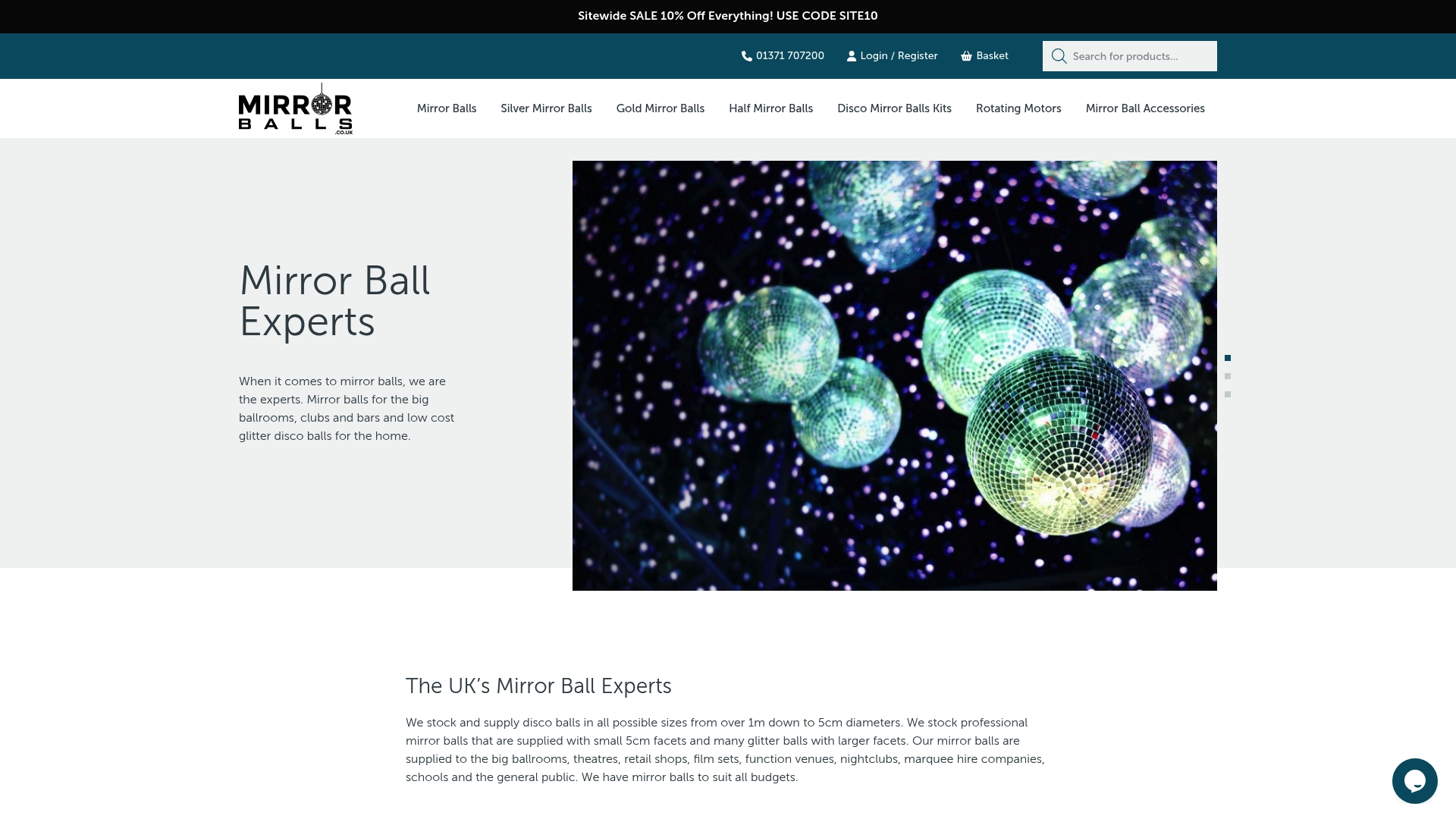
Explore a broad selection of professional and decorative mirror balls at https://mirror-balls.co.uk, where you can find everything from small glitter balls to large-scale disco balls perfect for nightclubs and theatres. Our products support the key lighting concepts discussed such as layering light for depth and enhancing colour mixing effects. Start designing your exceptional lighting experience today by visiting our main website and discover the perfect mirror ball to elevate your event lighting setup. Don’t miss out on creating magical reflections that respond to your music and crowd energy—browse our collection now and bring your club’s lighting vision to life!
Frequently Asked Questions
How do I select the right type of lighting fixtures for my event?
Choosing the right lighting fixtures depends on your venue size, event type, and desired emotional impact. Assess your space and consider mixing different fixture types, such as spotlights and wash lights, for a layered design that adapts to various moments throughout the event.
What is the best way to position mirror balls effectively?
To maximise the sparkle of mirror balls, position them at least 2.5 to 3 metres above the dance floor and use multiple light sources from different angles. This will create dynamic light patterns that enhance the atmosphere and engage the audience more deeply.
What are the key components of effective lighting layering?
Effective lighting layering consists of ambient, task, and accent lighting. Use soft overhead lights for overall brightness, targeted spotlights for performers, and coloured strips to create mood zones, ensuring to balance these elements to guide the emotional journey of your guests throughout the evening.
How can I optimise colour mixing for my lighting design?
Optimising colour mixing involves using RGB or RGBW lighting systems to create millions of colour combinations tailored to your event’s mood. Experiment with different colour layers across various fixtures to develop depth and visual complexity, and remember to programme smooth transitions for a more engaging experience.
What steps should I take to synchronise lights with music?
To synchronise lights with music, invest in programmable LED fixtures that can analyse audio frequencies in real time. Create custom complex lighting sequences that align with specific song structures, allowing rapid transitions that enhance the impact of musical changes during the performance.
What safety protocols should I implement for my lighting setup?
Ensure your lighting setup adheres to safety regulations, including proper installation by qualified professionals and secure emergency lighting. Conduct regular equipment inspections, maintain a safety log, and create safe pathways free from tripping hazards to protect both your guests and your professional reputation.